Hedge trimming in Leeds: timing, nesting birds and best practice
A practical seasonal guide to hedge trimming in Leeds. When to cut, what to avoid and how we help homes across Leeds and the surrounding areas.
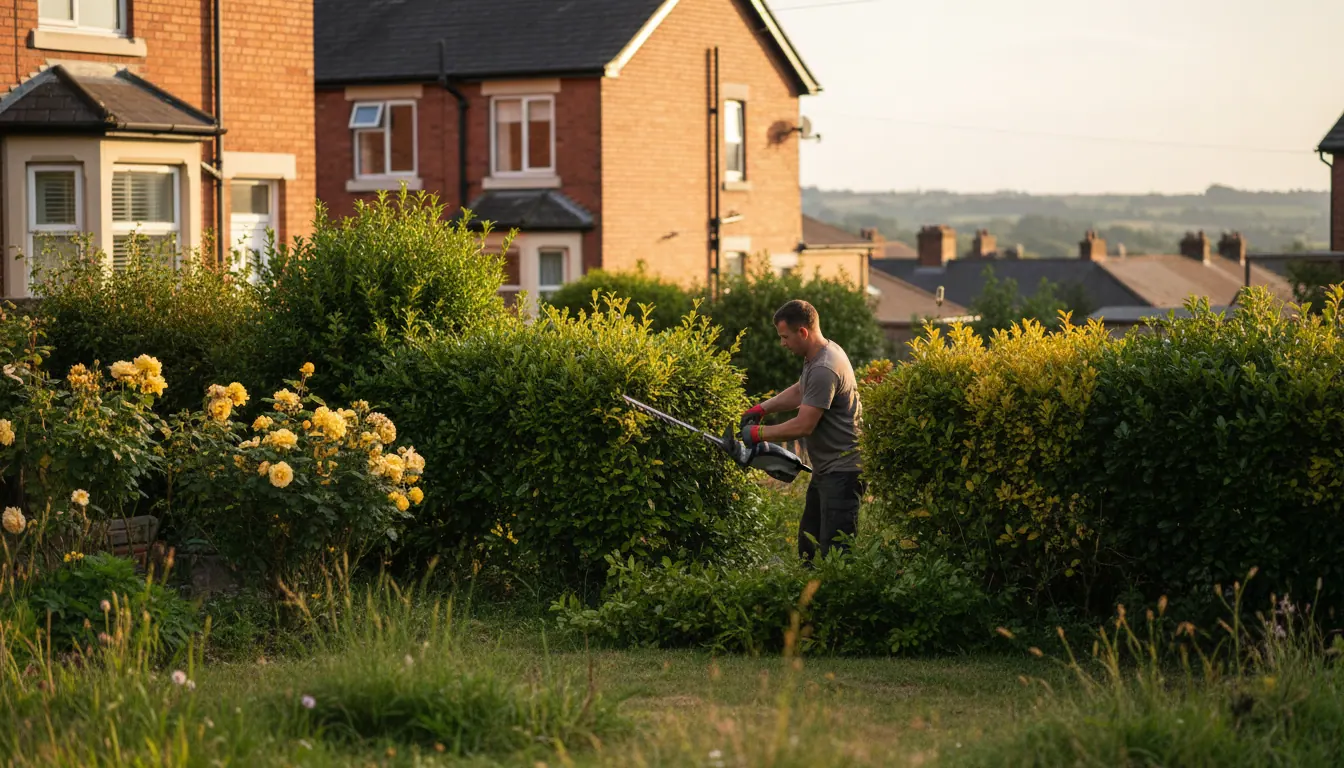
When should you trim your hedge in Leeds?
Timing matters more than most people think. Get it right and your hedge stays healthy, dense and tidy. Get it wrong and you could end up with bare patches, stressed plants or, in the worst case, a legal problem.
The short answer is that the two safest windows for hedge trimming in Leeds are late winter (roughly February, before new growth really gets going) and late summer into early autumn (August through to October). Both windows sit either side of the main nesting season for wild birds, which makes them the sensible choice.
Leeds weather adds its own layer of complexity. Our springs can be cold and wet well into April, which delays growth. Summers are often damp, which means hedges can put on a surprising amount of new growth in a short time. And autumn storms can arrive early, sometimes bringing down branches and leaving hedges looking ragged before you have had a chance to tidy them up.
The nesting season rule: what you need to know
This is the most important thing to understand before you pick up the shears or call anyone in.
Wild birds, including sparrows, blackbirds, robins and many others, nest in garden hedges and shrubs between roughly March and August. It is a criminal offence under the Wildlife and Countryside Act 1981 to intentionally destroy or damage an active nest. That rule applies to homeowners and contractors alike.
So what does that mean in practice?
- Before March: generally fine to trim, provided there is no sign of early nesting activity.
- March to August: always check carefully for active nests before doing anything. If you find one, leave it completely alone until the chicks have fledged and the nest is clearly abandoned.
- August onwards: the risk drops significantly, though late-nesting species mean it is still worth a quick visual check.
We always check before we start cutting. If we spot an active nest, we stop and let the customer know. It is a small delay compared to the trouble of getting it wrong.
What grows in Leeds gardens and how to trim it
Leeds gardens are a real mix. Victorian and Edwardian terraces across the city often have small, enclosed back gardens where a privet or holly hedge marks the boundary. 1930s semis tend to have more space, sometimes with established beech, hawthorn or Leylandii along the sides or rear.
Here is a quick guide to the most common types:
Privet Fast-growing and forgiving. Tolerates hard cutting well. In Leeds it can put on a lot of growth through a wet summer, so you may need two cuts a year to keep it looking neat. Late August is a good time for the main cut.
Beech and hornbeam These are slower-growing and respond well to a single annual trim, usually in late summer. Beech holds its old leaves through winter if you cut at the right time, which gives you some privacy and wind protection even in January. Yes, you can cut back a beech hedge hard if it has become overgrown, but it is better to reduce it gradually over two or three seasons rather than all at once.
Holly Dense, spiky and slow. One careful cut in late summer is usually enough. Holly provides excellent nesting cover, so be especially thorough when checking before you cut.
Hawthorn Very common in older Leeds gardens as a boundary hedge. Hardy and wildlife-friendly. Trim after flowering in early summer, or wait until late summer to be safe on the nesting front.
Leylandii The one that causes the most problems. Leylandii grows fast, very fast, and if left unchecked it can reach a height that causes disputes with neighbours, blocks light and becomes genuinely difficult to manage. The key rule with Leylandii is never cut back into the old brown wood. Unlike most hedging plants, it will not regenerate from bare wood. Keep on top of it every year and take a little off, rather than leaving it for years and then trying to cut it back hard.
If you have a Leylandii hedge that has got out of hand, we can help assess what is realistic. Sometimes a significant reduction is possible; sometimes the honest answer is that replacement is the better long-term option.
Height, boundaries and the rules that catch people out
Before you trim any hedge, especially one on or near a boundary, it is worth knowing a few things.
Boundary ownership: your title deeds or Land Registry documents should show which boundaries you own and are responsible for. If a hedge sits on a shared boundary, it is worth talking to your neighbour before making significant changes.
Height disputes: the Anti-social Behaviour Act 2003 gives councils powers to act on high hedges (generally evergreen or semi-evergreen hedges over two metres) that block a neighbour's light. Leeds City Council handles these complaints. If your hedge is the subject of a complaint, or if a neighbour's hedge is causing you problems, the council can advise.
Hedges next to roads: there are rules about hedges that overhang the highway or obstruct visibility for drivers. Leeds City Council can require you to cut back a hedge that causes a hazard.
None of this is meant to put you off. Most hedge trimming is completely straightforward. But it is worth knowing the rules before you start, particularly if your hedge is tall, on a boundary or close to a road.
What our customers say
We get a lot of calls about gardens that have been left to get on with things for a season or two. Sometimes it is a busy household, sometimes it is a house that has changed hands, sometimes it is simply that a hedge has grown faster than expected. Katherine Lee-Dalby left us this review after we helped with her garden:
"Our garden was in much need of maintenance and fencing. Mark was prompt to respond to our request for a quote and his prices were very reasonable. We have a young baby and had some accessibility issues at home and Mark was very understanding about fitting the work around this to review the garden and measure for the fencing, which was very appreciated. I found Mark and his team professional and also took extra care and time to make … See more"
That flexibility matters to us. Life is busy, and we try to work around people, not the other way around.
Seasonal hedge trimming checklist for Leeds gardens
Use this as a rough guide, adjusted for your own garden and the weather each year.
Late winter (February)
- Trim deciduous hedges before new growth starts
- Check for storm damage from the winter winds that regularly batter West Yorkshire
- A good time to assess whether any hedges need a more significant cut later in the year
Spring (March to May)
- Check for nesting activity before touching anything
- Light tidying only, if absolutely necessary, and only after a thorough check
- Note any sections that have died back over winter
Summer (June to July)
- Avoid significant trimming unless you have checked carefully for nests
- Good time to assess growth rate and plan your late-summer cut
Late summer and autumn (August to October)
- The main trimming season for most hedges in Leeds gardens
- Leylandii, privet, holly, beech, hawthorn: all can be cut now
- Leaves and clippings cleared away and taken off site (we always leave the garden tidy)
Winter (November to January)
- Avoid cutting in hard frosts
- Check for storm damage after the autumn and winter gales
- Plan ahead for the following year
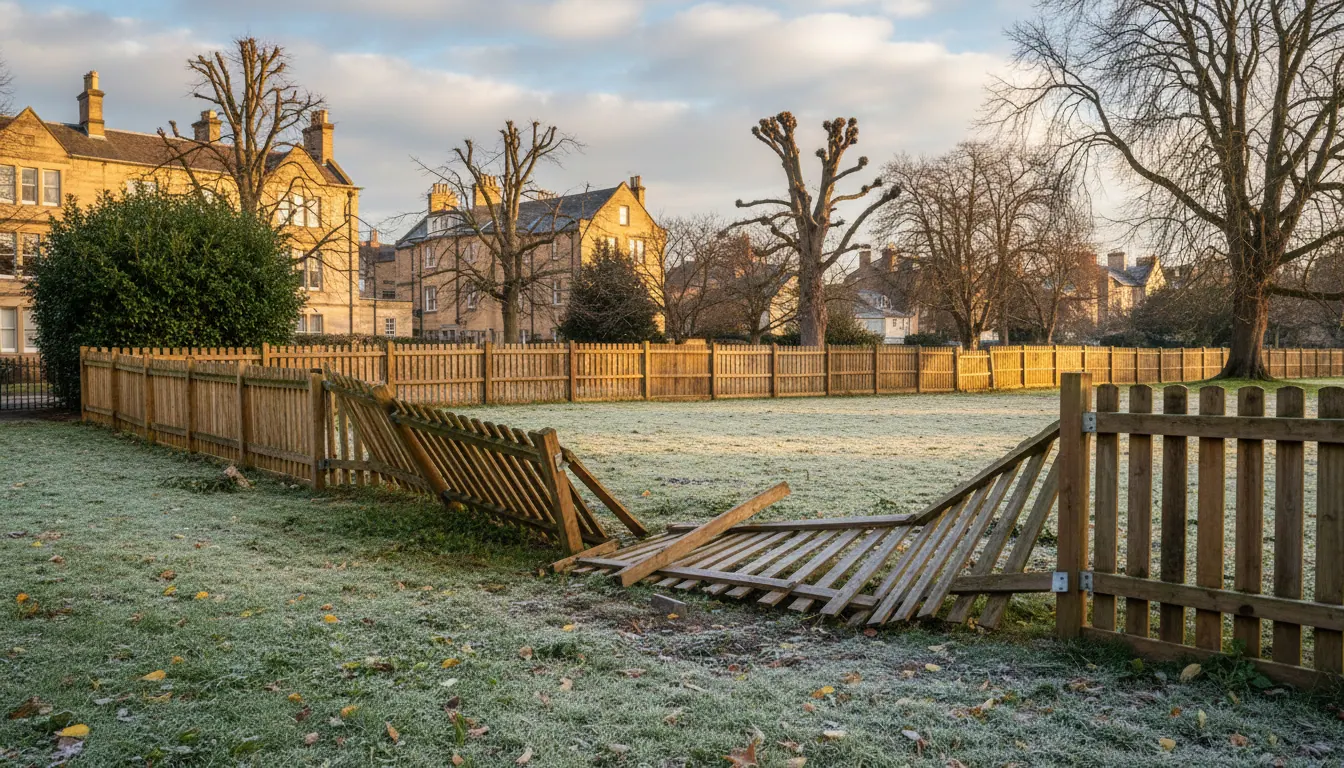
If you want more detail on getting your garden ready for winter, our article on storm damage and winter fences in Leeds covers what to look out for after a rough spell of weather.
Frequently asked questions
Can I cut my garden hedge in June? You can, but June sits right in the middle of the main nesting season, so you need to check carefully for active nests before you do anything. If you find a nest with eggs or young birds in it, leave it alone. If the hedge is clear, a light trim is generally fine, but it is safer to wait until late August for a more significant cut.
Is it okay to cut back a beech hedge hard? Yes, beech tolerates hard cutting better than many people expect. That said, it is better to reduce the size gradually over two or three years rather than taking it back drastically in one go. Hard cutting in late summer, after the nesting season, is the right time to do it.
What are the rules for cutting hedges in the UK? The main points: do not disturb active bird nests (it is an offence under the Wildlife and Countryside Act 1981); be aware of boundary ownership and any agreements with neighbours; check with Leeds City Council if your hedge is tall, close to a road or could be subject to a high-hedge complaint. Height limits and boundary rules can vary, so if you are unsure, it is worth checking before you cut.
How often should a hedge be trimmed? It depends on the species and how formal you want it to look. Fast-growing privet may need two cuts a year. Beech, hornbeam and holly are usually fine with one annual cut. Leylandii should ideally be trimmed every year to keep it from getting out of hand. Leeds summers can be wet, which speeds up growth, so keep an eye on things rather than sticking rigidly to a schedule.
Get in touch for a hedge trimming quote in Leeds
If your hedge has got away from you, or you just want someone reliable to keep on top of it through the seasons, we are happy to come and take a look. We cover homes in Leeds and the surrounding areas, and we always leave the garden tidy, clippings and all.
You might also find our guide on regular garden maintenance for elderly homeowners in Leeds useful if you are looking for ongoing help rather than a one-off visit.
To get a quote, call us on 07904 574356. We will come out, have a look at what needs doing and get a quote over to you.
“Mark recently installed two new fence panels for me after the wind took them down. He is a lovely guy, very effecient and reliable, and does a great job 100% recommend him. Thanks Mark.”